Retro Christmas Digital Papers 6: A Practical Evaluation for Commercial Designers
In the competitive landscape of print-on-demand (POD) and digital content creation, the quality of background assets often determines the success of a final product. While many creators focus heavily on foreground elements like typography or illustrations, the underlying texture and pattern play a critical role in establishing mood and professional polish. Retro Christmas Digital Papers 6 enters this space as a specialized resource designed to bridge the gap between vintage aesthetics and modern commercial utility. This article provides an objective analysis of the bundle, examining its technical specifications, versatility across various mediums, and suitability for both solo entrepreneurs and established brands.
Understanding the Product Scope and Technical Specifications
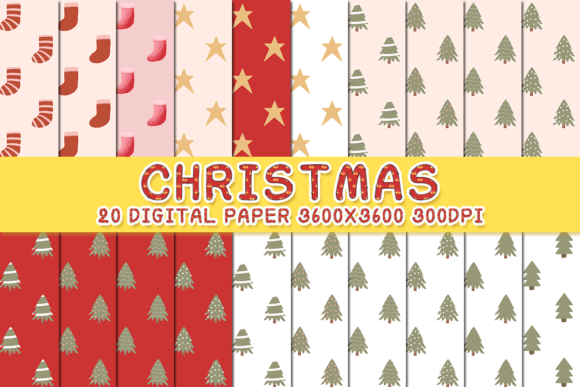
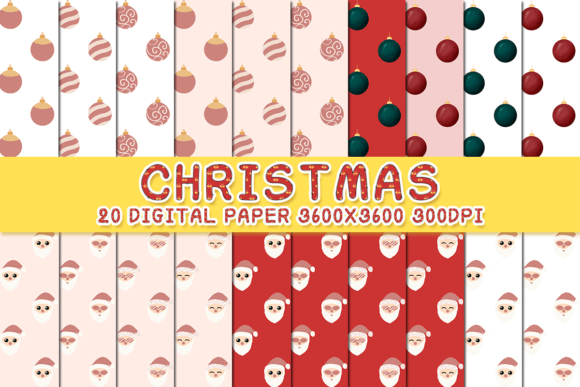
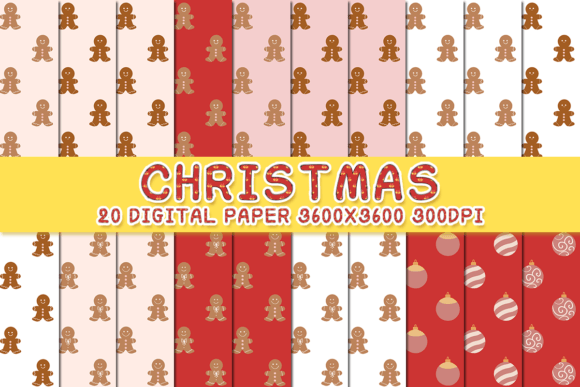
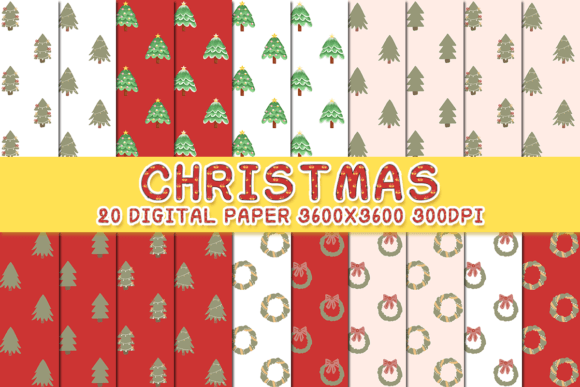
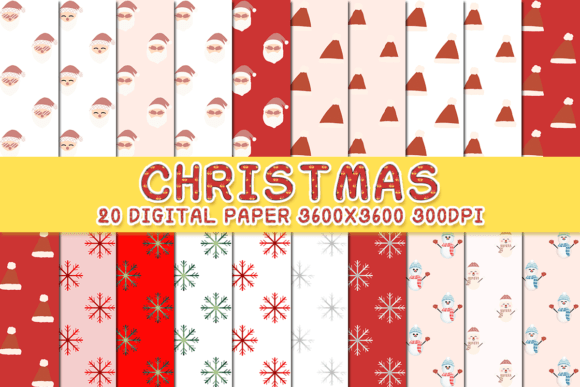
Retro Christmas Digital Papers 6 is not merely a collection of festive images; it is a structured asset library intended for high-fidelity reproduction. The bundle comprises 20 distinct JPG files, each rendered at a substantial resolution of 3600x3600 pixels. For professionals working in graphic design, web development, or physical production, these dimensions are significant. They equate to a 12x12 inch square at 300 DPI (dots per inch), which is the industry standard for high-quality printing.
The decision to provide files in JPG format rather than PNG or vector formats suggests a specific use case. JPGs are universally compatible with almost all design software, from Adobe Photoshop and Illustrator to Canva and Affinity Designer. However, users must understand that these are raster images. This means they are pixel-based and do not scale infinitely without loss of quality. At 3600x3600 pixels, the files offer ample room for cropping, resizing, and layering within larger compositions, but they are not suitable for infinite zooming or scaling up beyond their native resolution without risking pixelation.
The "Retro" designation implies a stylistic direction rooted in mid-century modernism, 70s nostalgia, or vintage holiday motifs. This aesthetic choice is strategic. Retro designs have seen a resurgence in popularity among adults aged 20–50, who often associate these styles with warmth, authenticity, and craftsmanship. By leveraging this visual language, creators can tap into emotional resonance that purely modern, minimalist designs might lack during the holiday season.
Commercial Versatility and Application Scenarios
The primary value proposition of Retro Christmas Digital Papers 6 lies in its multi-industry applicability. The marketing description lists a wide array of potential uses, ranging from apparel to stationery. Each category presents different technical requirements, and understanding how these papers perform in each context is essential for maximizing ROI.
- Apparel and Textiles: When applied to T-shirts, blankets, or pillows, the 300 DPI resolution ensures that the patterns remain crisp even after the sublimation or direct-to-garment (DTG) printing process. The seamless nature of most digital papers allows for efficient tiling on fabric rolls or large garment prints. Creators should note that color profiles (RGB vs. CMYK) may need adjustment depending on the printer’s capabilities to ensure the retro hues translate accurately to physical fibers.
- Stickers and Small Goods: For phone cases, mugs, and stickers, the high resolution is crucial. These items often require sharp edges and fine detail retention. The 12x12 inch size allows designers to crop specific sections of the paper to create unique, non-repeating focal points, adding a bespoke feel to mass-produced items.
- Print Marketing Materials: Business cards, invitations, and book covers benefit significantly from textured backgrounds. A flat white background can appear sterile, whereas a retro Christmas paper adds depth and character. In this context, the papers serve as a foundation upon which text and logos are layered. The consistency of the style across the 20 files allows for cohesive branding across entire marketing campaigns.
- Digital Media: For bloggers, educators, and social media managers, these files offer immediate utility. They can be used as headers for holiday-themed blog posts, backgrounds for Instagram stories, or overlays for product photography. The ease of use in digital environments makes them accessible to freelancers who may not have advanced design skills but need professional-looking visuals quickly.
Evaluating Quality, Consistency, and Workflow Integration
From an evaluation standpoint, the strength of a digital paper bundle is measured by its consistency and usability. With 20 files included, there is a risk of stylistic drift, where some images feel disconnected from the core theme. However, bundles marketed under a specific series number, such as "6," typically adhere to a curated palette and motif set. This cohesion is vital for businesses looking to maintain a recognizable brand identity throughout the holiday season.
The practical workflow for integrating Retro Christmas Digital Papers 6 is straightforward. Designers can import the JPGs directly into their canvas, adjust opacity for subtle effects, or use blending modes to integrate them with other elements. Because the files are high-resolution, they allow for significant flexibility in post-processing. Users can apply filters, add grain, or overlay textures to further customize the look, ensuring that the final output does not appear generic or overused.
However, potential limitations exist. As raster images, they lack the editability of vector files. If a user needs to change the color of a specific element within the pattern, they cannot simply select and recolor it. They would need to mask out areas or recreate elements manually. Additionally, while 3600x3600 pixels is excellent for most applications, extremely large-format prints, such as billboards or building wraps, would exceed the resolution limits of these files. For such use cases, higher-resolution TIFF or EPS files would be required.
Target Audience and Strategic Fit
This resource is particularly well-suited for small business owners, Etsy sellers, and freelance graphic designers who operate on tight timelines and budgets. Hiring a custom illustrator for every new product line is cost-prohibitive for many independent creators. Digital assets like Retro Christmas Digital Papers 6 offer a scalable solution, allowing creators to produce a diverse range of products without investing in extensive original artwork.
Educators and publishers also find value in these assets. Teachers creating holiday-themed worksheets or lesson plans can use these papers to make materials more engaging for students. Similarly, self-published authors can use the designs for e-book covers or promotional materials, enhancing the perceived value of their work through professional-grade visuals.
For marketers, the retro aesthetic aligns with current trends favoring nostalgia-driven content. Campaigns that evoke feelings of tradition and comfort tend to resonate strongly with consumers during the winter holidays. By using these papers, brands can subtly communicate these values without relying on overt messaging.
Final Recommendations for Implementation
To get the most out of Retro Christmas Digital Papers 6, creators should approach the files as foundational layers rather than finished products. Experiment with combining multiple papers from the bundle to create complex, multi-textured backgrounds. Use masking techniques to reveal only portions of the pattern, creating dynamic visual interest.
It is also advisable to test print samples before committing to large batches, especially when dealing with textiles or specialty substrates. Color calibration on your monitor may differ from the output of your printer, so verifying that the retro tones appear as intended is a prudent step. Furthermore, always review the licensing terms associated with the purchase to ensure compliance with commercial usage rights, particularly if you plan to sell physical goods derived from these images.
In conclusion, Retro Christmas Digital Papers 6 represents a solid investment for professionals seeking to enhance their holiday offerings with high-quality, versatile, and aesthetically pleasing assets. Its technical specifications meet industry standards for print and digital media, and its broad applicability makes it a flexible tool in any designer’s toolkit. While it requires proper handling to avoid common pitfalls related to raster graphics, its ability to streamline the creative process and elevate product presentation makes it a valuable resource for serious hobbyists and business owners alike.