Retro Christmas Digital Papers 5: Integrating Vintage Aesthetics Into Modern Creative Workflows
In the landscape of digital design and small business operations, seasonal assets are often treated as temporary commodities. However, high-quality graphic resources serve a more strategic function when integrated into a structured creative workflow. Retro Christmas Digital Papers 5 represents a specific category of digital asset that bridges the gap between nostalgic aesthetic appeal and modern production standards. For professionals, entrepreneurs, and creators aged 20 to 50, understanding how to leverage these files efficiently can streamline product development, enhance brand consistency, and reduce the time spent on background creation or texture generation.
This article explores the practical application of this digital paper bundle within various professional and personal workflows. It examines compatibility, file management, and implementation strategies across different mediums, from print-on-demand services to social media marketing.
Understanding the Asset: Specifications and Technical Foundation
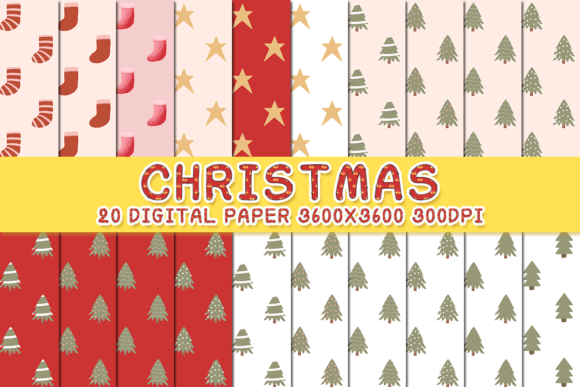
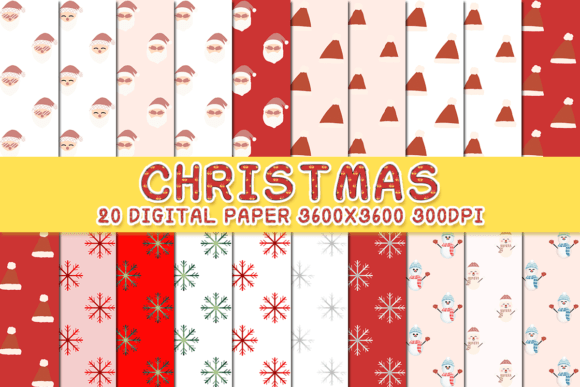
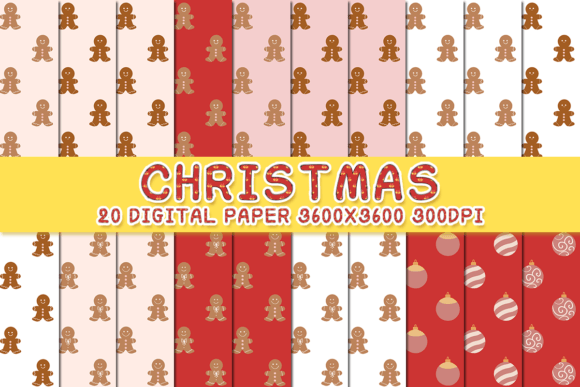
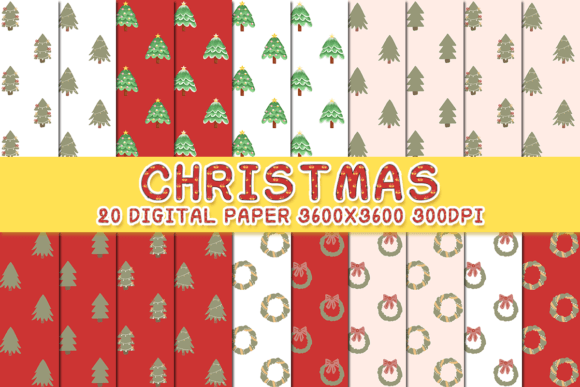
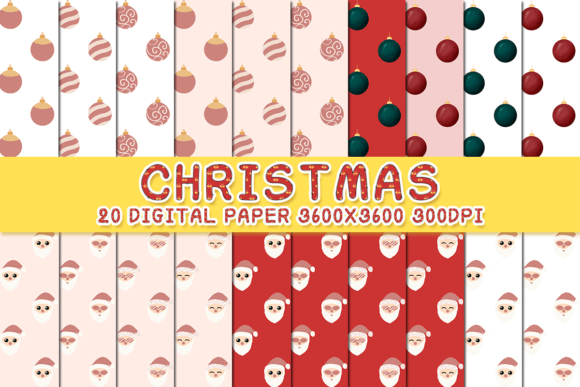
Before integrating any digital asset into a production pipeline, verifying its technical specifications is a critical first step. Retro Christmas Digital Papers 5 consists of 20 distinct JPG files, each sized at 3600x3600 pixels (12x12 inches) with a resolution of 300 DPI. These specifications are not arbitrary; they are aligned with industry standards for both high-resolution printing and versatile digital use.
The 300 DPI resolution ensures that when these papers are used in physical applications such as mugs, pillows, or book covers, the output remains crisp without pixelation. The square aspect ratio (12x12 inches) provides flexibility for layout designs, allowing designers to crop sections for smaller items like stickers or phone cases while maintaining quality. For digital-only uses, such as website backgrounds or social media posts, these dimensions offer ample space for layering text and other graphical elements.
Because the files are provided in JPG format, they are universally compatible with almost all design software, including Adobe Photoshop, Illustrator, Canva, GIMP, and Affinity Designer. This broad compatibility reduces friction in the adoption process, allowing teams using different software ecosystems to collaborate seamlessly.
Pre-Production: Planning and Asset Organization
Efficient creative workflows begin long before the actual design work starts. The preparation phase involves organizing assets to ensure quick access during the execution stage. When incorporating Retro Christmas Digital Papers 5 into a project, it is advisable to create a dedicated folder structure within your project management system or local drive.
Consider categorizing the 20 images by color palette or theme if the bundle allows. For instance, group warm-toned papers separately from cool-toned ones. This pre-sorting saves minutes that can add up over multiple projects. If you are managing a team, establish a naming convention that includes the asset name, date acquired, and intended use case. This practice supports long-term usability, ensuring that assets remain discoverable months or years after initial acquisition.
Furthermore, evaluate the scope of your upcoming projects during this planning phase. Determine which of the 20 papers align with your brand’s visual identity. Retro aesthetics vary significantly; some may lean towards mid-century modern styles, while others might evoke 1970s textures. Selecting the right subset of papers early prevents decision fatigue later in the design process.
Implementation Across Product Lines
The versatility of Retro Christmas Digital Papers 5 makes it suitable for a wide array of products. Below are specific implementation examples based on common business models.
Print-on-Demand and Physical Goods
For entrepreneurs selling physical goods, these digital papers serve as foundational textures. When designing T-shirts or blankets, use the papers as background layers. Apply blending modes such as "Multiply" or "Overlay" to integrate the texture with vector graphics or typography. This technique adds depth and a tactile feel to digital designs, which translates well to printed materials.
- Mugs and Drinkware: Use the 12x12 inch size to create wrap-around patterns or central focal points. Ensure that critical design elements are placed within the safe zone to avoid being cut off during the printing process.
- Pillows and Blankets: Large-format prints benefit from the high resolution. Tile the patterns if necessary, but check for seamless edges to avoid visible grid lines in the final product.
- Book Covers: Incorporate the papers as full-bleed backgrounds. Add embossing effects or drop shadows to titles to contrast against the textured backdrop, enhancing readability.
Digital Products and Branding
Digital creators can utilize these assets to produce cohesive branding kits. The retro style lends itself well to invitations, business cards, and social media templates.
- Social Media: Create a consistent holiday campaign by using specific papers as story backgrounds or post headers. Maintain brand consistency by pairing the same paper across Instagram, Facebook, and Pinterest.
- Printables: Design planners, journals, or coloring pages using these papers as page backgrounds. The vintage aesthetic appeals to audiences looking for nostalgic or cozy themes, particularly during the holiday season.
- Email Marketing: Use cropped sections of the papers as header images in newsletters. This subtle integration reinforces brand identity without overwhelming the email content.
Sublimation and Custom Apparel
For those involved in sublimation printing, the 300 DPI resolution is crucial. Sublimation transfers ink directly into fabric, requiring high-quality source files to prevent blurriness. Test print a small section of the paper on scrap fabric to verify color accuracy and texture reproduction before committing to a full batch of products.
Workflow Integration and Quality Control
Integrating Retro Christmas Digital Papers 5 into existing workflows requires attention to detail regarding file handling and quality control. Since JPG is a lossy compression format, repeated editing and saving can degrade image quality. To mitigate this, always keep a master copy of the original 3600x3600 px files and work on duplicates.
When scaling down images for web use, such as for website thumbnails or mobile app icons, use appropriate resampling techniques. Bicubic Sharper or similar algorithms in design software help maintain clarity when reducing dimensions. Conversely, when preparing files for large-format printing, ensure that the working document is set to CMYK color mode rather than RGB, although most online printers now accept RGB files with proper conversion profiles.
Consistency is key in professional design. If you are producing a series of products, apply the same paper across multiple items. For example, use Paper #4 for a mug, a tote bag, and a greeting card. This cross-product consistency strengthens brand recognition and creates a cohesive holiday collection that customers perceive as professionally curated.
Strategic Considerations for Long-Term Use
While Christmas-themed assets are inherently seasonal, their utility extends beyond December. Many retro designs feature timeless elements such as snowflakes, ornaments, and vintage typography that can be repurposed for winter-themed projects or general nostalgia-based marketing in subsequent years.
Document your usage rights and licensing agreements associated with Retro Christmas Digital Papers 5. Understanding whether the license permits commercial use, how many end products you can sell, and if attribution is required protects your business from legal issues. Clear documentation of these terms should be part of your initial asset organization process.
Additionally, consider the lifecycle of your digital assets. Archive completed projects that utilized these papers, noting which specific papers were most effective. This data-driven approach helps refine future purchasing decisions and design strategies. If certain papers consistently perform better in sales or engagement metrics, prioritize acquiring similar assets in future seasons.
Conclusion
Retro Christmas Digital Papers 5 offers more than just decorative backgrounds; it provides a versatile toolkit for enhancing visual communication across multiple platforms. By approaching these assets with a structured mindset—focusing on technical compatibility, organized storage, and strategic implementation—creators and business owners can maximize their value. Whether used for physical product manufacturing, digital marketing campaigns, or personal creative projects, integrating these high-resolution digital papers smoothly into your workflow leads to higher quality outputs and greater operational efficiency.
Start by selecting the papers that best align with your current goals, organize them effectively, and experiment with blending techniques to find the perfect balance between retro charm and modern design standards. The result is a polished, professional aesthetic that resonates with audiences and supports your broader business objectives.