Cream Watercolour Textures: A Practical Resource for Digital Designers and Crafters
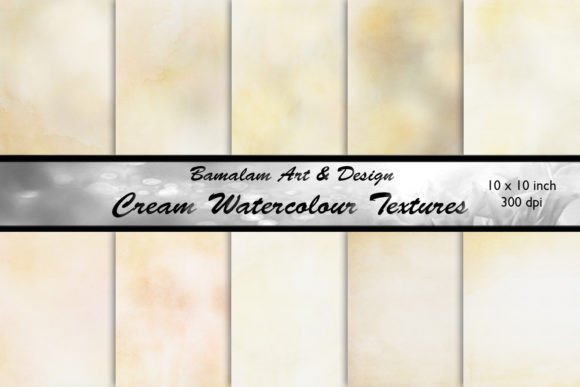
In the landscape of digital asset creation, the demand for high-quality, versatile backgrounds is relentless. Whether you are designing a wedding invitation suite, creating sublimation prints for merchandise, or curating content for a lifestyle blog, the foundation of your visual output often relies on the texture and tone of your base layer. Cream Watercolour Textures represents a specific category of digital assets that bridges the gap between traditional artistic media and modern digital workflows. This collection offers ten distinct soft, creamy yellow coloured backgrounds featuring authentic watercolour paper textures, providing a neutral yet sophisticated canvas for a wide array of creative projects.
For professionals and serious hobbyists alike, the choice of background texture can significantly influence the perceived quality and emotional resonance of a design. Cream watercolour textures, in particular, evoke a sense of warmth, elegance, and organic authenticity. Unlike stark white backgrounds which can feel clinical, or heavily saturated colours that may clash with foreground elements, these soft yellow tones offer a gentle, inviting atmosphere. The inclusion of realistic paper grain adds depth and tactile appeal, transforming flat digital files into visuals that appear handcrafted and premium.
Key Characteristics and Technical Specifications
Understanding the technical specifications of a digital asset is crucial before integrating it into a professional workflow. The Cream Watercolour Textures package consists of ten individual JPEG files, each meticulously crafted to ensure consistency and high fidelity. The resolution is set at 3000 x 3000 pixels, which translates to a physical print size of 10x10 inches at 300 DPI (dots per inch). This specification is significant because it meets the standard requirement for high-quality commercial printing without the need for upscaling, which can introduce artifacts or blur.
The color palette is defined by "soft, creamy yellow" hues. This is a deliberate design choice that serves multiple purposes. First, it provides a warm undertone that complements a broad spectrum of accent colors, from deep navy blues and forest greens to pastel pinks and vibrant corals. Second, the creaminess ensures that the background does not overpower the primary subject matter, whether that text, photography, or graphic illustrations. The watercolour paper texture is embedded within the image data, meaning the grain, slight variations in tone, and subtle imperfections are baked into the file. This eliminates the need for additional overlay effects, saving time in the editing process while maintaining a natural look.
Practical Applications Across Industries
The versatility of these textures allows them to be utilized across various industries and creative disciplines. Below is an analysis of how these assets perform in real-world scenarios.
Stationery and Print Design
For graphic designers specializing in stationery, such as invitations, greeting cards, and business cards, Cream Watercolour Textures offers a ready-made aesthetic that conveys professionalism and care. The organic nature of the watercolour effect softens the rigid geometry of typography and layout grids, making designs feel more personal and approachable. When used as a base for business cards, the texture adds a tactile dimension that encourages recipients to hold and examine the card longer, potentially increasing brand recall. Similarly, for wedding invitations, the creamy yellow tone aligns well with themes of romance, vintage charm, and rustic elegance.
Sublimation and Merchandise
In the realm of sublimation printing, where designs are transferred onto products like phone cases, pillows, mugs, and notebook covers, background textures play a critical role in hiding potential print inconsistencies and adding visual interest. These textures serve as excellent neutral backdrops for bold graphics or photographic elements. Because the texture mimics real paper, it can add a layer of sophistication to everyday items, elevating them from generic mass-produced goods to curated lifestyle products. The 10x10 inch resolution is sufficient for many smaller merchandise items, though designers should note that larger formats may require tiling or higher-resolution sources.
Digital Content and Scrapbooking
Blogger, vloggers, and social media influencers often use these textures as headers, dividers, or background layers for infographics and digital planners. The consistent lightness of the cream tone ensures that overlaid text remains highly readable, adhering to accessibility standards. For digital scrapbookers and journal enthusiasts, these files provide instant access to high-quality paper scans, eliminating the need to physically scan their own collections. This saves both time and storage space while allowing for easy integration into digital planning apps like GoodNotes or Notability.
Evaluation of Quality and Usability
When evaluating digital assets, several factors determine their long-term value: usability, flexibility, and reliability. The JPEG format chosen for this collection is widely supported across all major design software, including Adobe Photoshop, Illustrator, Affinity Suite, Canva, and Procreate. This universal compatibility reduces friction in the user’s workflow, allowing for immediate application without conversion hurdles.
The consistency of the texture across all ten files is a notable strength. In some low-quality texture packs, users encounter abrupt shifts in grain size or lighting direction, which can break the immersion of a design. With Cream Watercolour Textures, the uniformity suggests a cohesive artistic vision, ensuring that mixed-media projects remain visually harmonious. Furthermore, the 300 DPI resolution guarantees sharpness when printed at reasonable sizes, making these assets suitable for both screen-based and physical deliverables.
However, potential users should consider the limitations inherent to raster images. While 3000 pixels is ample for most uses, it is not infinite. Scaling these images beyond their native resolution will result in pixelation. Additionally, as JPEGs are lossy compressed files, extreme adjustments to brightness and contrast may reveal compression artifacts. For best results, designers should work with copies of the original files and avoid aggressive post-processing that degrades the subtle nuances of the watercolour effect.
Who Benefits Most from This Resource?
This collection is particularly well-suited for:
- Freelance Graphic Designers: Who need quick, high-quality backgrounds to meet tight deadlines for client projects involving branding or print materials.
- Small Business Owners: Especially those in the handmade, craft, or boutique sectors who create their own marketing materials and product packaging.
- Content Creators: Bloggers and educators looking to enhance the visual appeal of their digital downloads, worksheets, and course materials.
- Hobbyist Crafters: Individuals engaging in digital scrapbooking, card making, or DIY sublimation projects who desire professional-grade aesthetics without advanced photo-editing skills.
Conversely, large-scale advertising agencies requiring vector-based scalability or ultra-high-resolution prints for billboards might find the 10x10 inch limit restrictive unless the textures are tiled seamlessly, which requires additional technical expertise.
Final Assessment
Cream Watercolour Textures stands out as a practical, aesthetically pleasing, and technically sound resource for anyone working with digital imagery. Its strength lies in its simplicity and versatility; it does not attempt to do everything but excels at providing a beautiful, neutral foundation. The soft creamy yellow tones and realistic paper grains offer a timeless look that transcends fleeting design trends.
For professionals seeking to add a touch of organic warmth to their designs, and for hobbyists wanting to elevate their crafts, this collection delivers reliable performance and immediate usability. By offering clear specifications and high-resolution files, the creator has addressed the primary concerns of digital asset buyers. If your workflow involves frequent creation of print-ready materials or digital content that benefits from a textured, handcrafted feel, these textures represent a solid investment of time and resources. As always, testing the files in your specific design environment is recommended to ensure they integrate seamlessly with your existing style and technical requirements.