VALENTINE S DAY DIGITAL PAPER
The landscape of digital design has shifted dramatically in recent years, moving away from rigid, template-heavy workflows toward more personalized, tactile experiences delivered through screens. At the heart of this shift is the demand for high-quality, versatile assets that bridge the gap between physical craft and digital convenience. This is where VALENTINE S DAY DIGITAL PAPER enters the creative ecosystem. It is not merely a collection of decorative backgrounds; it is a foundational resource for creators who seek to produce professional-grade outputs without the logistical overhead of printing, scanning, and storing physical materials.
For professionals, hobbyists, and small business owners alike, the ability to generate custom designs on demand is no longer a luxury—it is a necessity. The modern consumer expects personalization. Whether they are looking for a unique planner cover, a heartfelt greeting card, or branded marketing materials, the expectation is that these items will reflect a specific aesthetic and emotional tone. Digital paper packs provide the texture, color palette, and visual interest required to meet these expectations, allowing designers to focus on layout and messaging rather than starting from a blank canvas every time.
The Evolution of Digital Craft and Workflow Efficiency
Gone are the days when creating physical stationery required expensive equipment, significant studio space, and hours of manual labor. Today, the workflow is streamlined. A designer can purchase a digital asset, open it in their preferred software—such as Adobe Illustrator, Photoshop, Canva, or Procreate—and begin designing immediately. This efficiency is particularly valuable during peak seasons like Valentine’s Day, where timing is critical. The ability to rapidly prototype and finalize products allows businesses to respond to trends quickly and reduce waste by only producing what is needed.
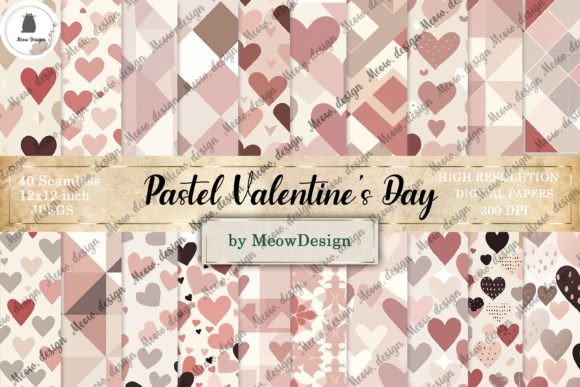
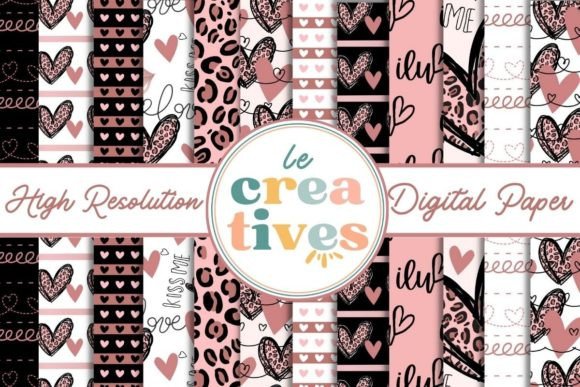
This evolution reflects a broader trend in the creative industry: the democratization of design. With tools becoming more accessible and resources like digital papers readily available, individuals with little formal training can create stunning work. However, quality remains paramount. Low-resolution images result in pixelated prints and unprofessional digital displays. This is why specifications matter. When you acquire a pack described as containing 12 HIGH RESOLUTION PAPERS 300 DPI 12X12 IN, you are ensuring that your final output will be crisp, clear, and suitable for both high-quality inkjet printing and sharp screen display.
Practical Applications Across Multiple Industries
The versatility of high-resolution digital paper extends far beyond simple background decoration. The utility of these assets lies in their adaptability across various mediums and industries. Consider the following practical applications that demonstrate the value of having a robust library of themed digital textures.
- Planner Enthusiasts and Productivity Coaches: The digital planning community is massive. Users constantly seek fresh aesthetics to keep their organizational routines engaging. You CAN create Planner Stickers, Planner Covers, and Planner Dashboards using these papers. A cohesive set of digital papers allows a creator to build an entire brand identity for their digital planners, ensuring consistency across different product lines. For instance, a romantic theme with soft pastels and subtle textures can be applied uniformly across daily layouts, weekly spreads, and habit trackers.
- Event Planning and Stationery Design: For those in the event industry, first impressions count. Greeting cards, invitations, and stationary serve as the tangible (or digital) handshake of an event. Using premium digital paper ensures that even if the invitation is viewed on a smartphone, the details remain sharp. Furthermore, these same files can be used to create physical wrapping paper or party supplies, offering a seamless transition from digital promotion to physical execution.
- Educators and Freelancers: Teachers often look for engaging ways to present material or reward students. Custom worksheets, certificates, and classroom decorations can be designed using these papers. Similarly, freelancers can use these assets to create branded business cards, photo albums for portfolios, or blog templates that enhance user experience. A consistent visual language helps build trust and recognition among clients.
- E-commerce and Print-on-Demand: Many entrepreneurs run shops on platforms like Etsy or Amazon Handmade. They rely on digital assets to create mockups and actual print-ready files for products like mugs, fabric prints, and t-shirts. The 12x12 inch format is standard in the scrapbooking and crafting world, making it easy to scale and tile patterns for larger surfaces. This scalability is crucial for creating wrapping paper or large-format decor items.
Why Resolution and Format Matter
When evaluating digital assets, technical specifications are often overlooked by beginners but are critical for professionals. The mention of 300 DPI (dots per inch) is a key indicator of print readiness. In the digital realm, 72 DPI is often sufficient for web display, but any physical reproduction requires 300 DPI to avoid blurriness. By providing files at this resolution, the supplier ensures that the end-user does not need to spend time upscaling images, which often results in loss of quality or increased file sizes without benefit.
The 12x12 inch dimension is another strategic choice. This size aligns with standard scrapbooking paper dimensions and many printer settings, making it compatible with a wide range of cutting machines (like Cricut or Silhouette) and home printers. It also serves as a perfect square canvas for social media posts, web icons, and logo backgrounds. The inclusion of 1 ZIPPED FILE containing 12 distinct papers offers variety without overwhelming the user. It provides enough options to create diverse designs while maintaining a cohesive theme, which is essential for branding consistency.
Integrating Digital Assets into Modern Creative Projects
Incorporating digital paper into your workflow requires a mindset shift from "making" to "curating and composing." Instead of drawing every element from scratch, you layer textures, combine typography, and arrange elements to tell a story. This approach accelerates the creative process and allows for greater experimentation. For example, a blogger might use one of the 12 papers as a header image, another as a sidebar background, and a third as a watermark for their photos. This creates a unified visual identity across their website and social media channels.
Moreover, the rise of remote work and digital nomadism has increased the demand for digital products. Planners, journals, and templates sold as downloadable PDFs or PNGs are popular among users who prefer tablet-based organization. These products rely heavily on the quality of their underlying graphics. A blurry or poorly colored digital paper can make an otherwise excellent planner feel cheap. Conversely, high-resolution, aesthetically pleasing papers elevate the perceived value of the product, allowing creators to command higher prices and build stronger customer loyalty.
Maximizing Value Through Versatility
The true power of a digital paper pack lies in its cross-application potential. A single purchase should not limit you to one type of project. The same set of papers that works beautifully for Valentine’s Day greeting cards can be repurposed for wedding invitations, anniversary gifts, or even corporate appreciation events. This flexibility reduces the cost per project and encourages creativity. Entrepreneurs can test multiple product ideas without investing in new inventory or software licenses.
Additionally, the environmental impact of digital-first design cannot be ignored. By creating digital proofs and mockups before committing to physical production, businesses can minimize material waste. Even for DIY enthusiasts, using digital files to guide cutting machines reduces errors and material scraps. This sustainable approach resonates with modern consumers who prioritize eco-friendly practices in their purchasing decisions.
Conclusion for the Modern Creator
In a market saturated with generic templates and low-effort designs, standing out requires attention to detail and quality. VALENTINE S DAY DIGITAL PAPER represents more than just seasonal decor; it is a tool for empowerment. It enables creators, from solo entrepreneurs to established agencies, to produce high-quality, personalized content efficiently. Whether you are designing a comprehensive brand identity, crafting handmade gifts, or building a digital product suite, the right assets can make all the difference.
By choosing resources that offer high resolution, standard sizing, and thematic cohesion, you invest in the longevity and professionalism of your work. The ability to create planner stickers, marketing materials, web icons, and physical goods from a single zipped file streamlines your workflow and expands your creative possibilities. As the demand for personalized, meaningful connections grows—especially around holidays like Valentine’s Day—the role of high-quality digital design will only become more central to how we communicate, celebrate, and do business.