Poinsettia Seamless Pattern: Digital Design Resource
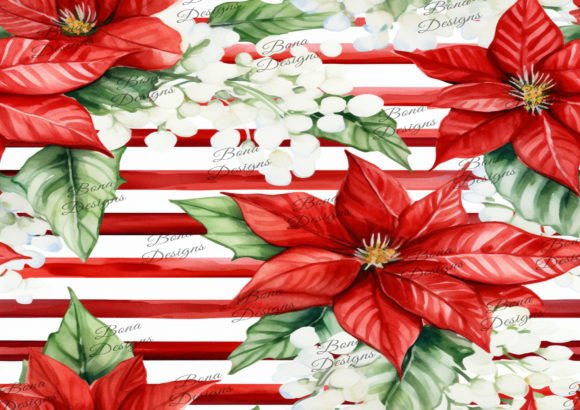
A Poinsettia Seamless Pattern is more than just a repeating image; it is a foundational asset for digital and physical design projects. Specifically, this resource provides one high-resolution digital paper file, sized at 12×12 inches in JPG format with a crisp 300 dpi resolution. Because the pattern is generated using Midjourney, an advanced generative art AI program, the resulting imagery often possesses unique textures and compositions that differ from traditional clipart or stock photography.
For creators, understanding the value of such a specific digital asset requires looking beyond the visual appeal. It involves evaluating how the seamless nature of the design interacts with various software platforms, print requirements, and creative workflows. Whether you are designing a holiday-themed invitation or creating custom fabric for a small business, the technical specifications and artistic origin of this pattern play a crucial role in its utility.
Understanding the Technical Specifications
The core of this digital paper lies in its precise technical attributes. The 12×12 inch dimension is a standard size in the scrapbooking and digital crafting community, making it immediately compatible with popular design software like Adobe Photoshop, Illustrator, Canva, and Cricut Design Space. This standardization reduces the friction of resizing or cropping, allowing users to apply the pattern directly to their canvases.
The 300 dpi (dots per inch) resolution is critical for print quality. In the world of digital design, screen display typically operates at 72 dpi, which appears pixelated when printed. By providing a 300 dpi file, the Poinsettia Seamless Pattern ensures that when you scale it up for a large banner, cardstock, or fabric roll, the edges remain sharp and the colors stay vibrant. This is particularly important for professional outputs where client expectations demand high fidelity.
Furthermore, the fact that the image was created with Midjourney introduces a layer of uniqueness. Traditional patterns are often vector-based or manually painted, leading to predictable geometric repetitions. AI-generated patterns can introduce organic variations, subtle color gradients, and complex textural details that mimic hand-drawn aesthetics while maintaining mathematical seamlessness. For designers seeking originality without starting from a blank slate, this offers a significant advantage.
Applications for Different User Groups
The versatility of a seamless pattern means it serves different purposes depending on the user’s expertise and goals. Here is how various audiences might evaluate and utilize this specific digital paper.
For Hobbyists and Scrapbookers
For hobbyists, the primary concern is usually ease of use and aesthetic charm. A 12×12 inch JPG file is plug-and-play for most consumer-grade photo editing apps. Enthusiasts creating holiday albums or Christmas cards can drag and drop this pattern into their layouts. The seamless property allows them to create background layers that fill entire pages without visible grid lines or awkward cuts. It simplifies the process of adding depth and theme to personal projects, requiring no advanced graphic design skills.
For Small Business Owners and Entrepreneurs
Small business owners, particularly those in the handmade sector, look for commercial viability and efficiency. If the license permits commercial use, a Poinsettia Seamless Pattern can be applied to:
- Fabric Printing: Sending the file to a print-on-demand service for holiday apparel or home decor textiles.
- Product Packaging: Creating custom wrapping paper or gift tags that align with seasonal branding.
- Digital Products: Selling the pattern itself as part of a bundle on marketplaces like Etsy, targeting other designers.
For these users, the cost-effectiveness of acquiring a single high-quality asset versus commissioning custom artwork is a major factor. The AI origin also means the style is contemporary, appealing to modern consumers who may find traditional clipart outdated.
For Professional Designers and Marketers
Professional designers approach this asset with a focus on integration and flexibility. While a JPG is raster-based and not infinitely scalable like a vector (SVG/EPS), its high resolution makes it suitable for most marketing materials up to poster size. Designers might use this pattern as a texture overlay in Photoshop, adjusting opacity and blending modes to create sophisticated backgrounds for web banners, email newsletters, or social media graphics.
The unique AI-generated aesthetic can help brands stand out in crowded digital feeds. However, professionals must verify the licensing terms regarding AI-generated content, as some platforms have specific policies about copyright and attribution for AI art. If cleared for use, the pattern offers a quick way to inject seasonal relevance into corporate communications without disrupting brand identity.
For Educators and Content Creators
Educators and bloggers often need engaging visuals to break up text and maintain reader interest. A beautifully rendered poinsettia pattern can serve as a header image, section divider, or thematic backdrop for articles related to holiday traditions, plant care, or interior design. The 300 dpi quality ensures that when embedded in high-resolution blogs or downloaded as printable worksheets, the images remain clear. It adds a layer of professionalism to educational materials that generic internet images cannot provide.
Evaluating Quality and Creative Potential
When assessing any digital asset, the distinction between "good enough" and "high quality" comes down to detail and adaptability. The Poinsettia Seamless Pattern leverages the strengths of generative AI to produce intricate leaf structures and naturalistic red hues that avoid the flat, artificial look of basic icons. This level of detail is essential for projects where close-up viewing is likely, such as greeting cards or fabric swatches.
However, users should be aware of the limitations inherent in raster images. Unlike vector graphics, you cannot arbitrarily enlarge the individual flowers within the pattern without losing quality. The pattern repeats at the tile level. Therefore, strategic planning is required. For example, if you need a massive mural-sized print, you would need to ensure the source file supports tiling across multiple tiles seamlessly, or purchase additional assets to cover the larger area.
The inclusion of this pattern in your workflow also speaks to a broader trend in design: the hybrid approach. Combining AI-generated elements with manual editing allows for rapid prototyping and unique stylistic choices. You might take this JPG, import it into a design tool, add text overlays, adjust color balances to match a specific brand palette, and then export the final composite. This flexibility transforms a simple background into a bespoke design element.
Practical Steps for Implementation
To get the most out of this digital paper, consider the following practical steps:
- Check Licensing: Before using the pattern for any commercial product, review the terms provided by the seller or platform. Ensure you have the right to reproduce and distribute the image.
- Prepare Your Canvas: Open your design software and set the document size to 12x12 inches at 300 dpi to match the source file. This prevents unnecessary resampling.
- Test the Seam: Place two copies of the pattern side-by-side to check for continuity. Most well-made seamless patterns will blend perfectly, but slight adjustments in position or opacity can fix minor misalignments.
- Experiment with Blending: Do not just use the pattern as a solid background. Try placing it behind semi-transparent shapes, or use it as a clipping mask for photos to give them a festive border.
Ultimately, the value of the Poinsettia Seamless Pattern lies in its ability to streamline the creative process while delivering high-quality, aesthetically pleasing results. Whether you are a beginner looking to enhance a family photo album or a seasoned entrepreneur launching a holiday product line, this asset provides a reliable and visually striking foundation. Its AI-generated origins offer a modern twist on a classic motif, bridging the gap between traditional holiday symbolism and contemporary digital design trends.