Wood Backgrounds: Elevating Your Designs with Natural Texture
In a digital landscape saturated with neon gradients, minimalist geometric shapes, and sterile white spaces, there is a distinct advantage to bringing something organic into the mix. Wood Backgrounds offer warmth, authenticity, and a tactile quality that static images often struggle to convey. Whether you are designing a rustic wedding invitation or a sleek corporate presentation, the right wood texture can ground your project in reality.
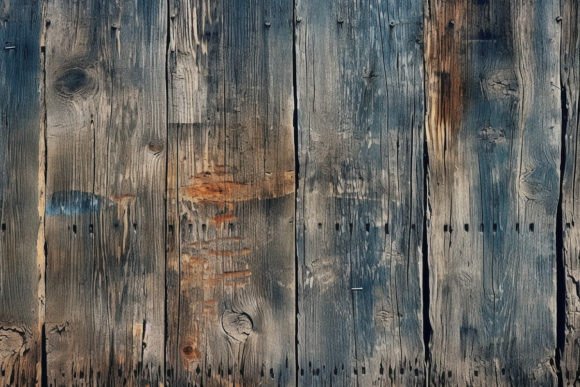
This specific set of digital papers provides a high-quality solution for creators who need versatility without the hassle of sourcing physical materials. You will receive one meticulously crafted digital paper, sized at 1200 × 800 pixels in JPG format with a resolution of 300 dpi. While the count may seem modest, the utility of this single image is vast, especially considering it was generated using Midjourney, a generative art AI program known for its ability to create hyper-realistic textures and lighting effects.
The Power of Digital Wood Textures
Why choose a digital wood background over a photograph of actual timber? The answer lies in consistency and ease of use. Physical wood has knots, grain variations, and imperfections that can be beautiful but are often unpredictable when used as a design element. A digital texture, particularly one refined by AI, offers a controlled aesthetic. It provides the visual cue of natural wood—the grain lines, the subtle color shifts, the sense of age or polish—without the noise of real-world debris.
The 300 dpi resolution is critical here. Many free stock images on the web are optimized for screen viewing (72 dpi), which looks pixelated if printed. By providing a 300 dpi file, this asset bridges the gap between digital screens and physical print. This means you can zoom in to inspect the grain details on your monitor, and then send that same file to a printer without worrying about blurriness or pixelation.
Real-World Applications for Creators and Hobbyists
The phrase "digital papers" might sound like industry jargon, but for scrapbookers and crafters, it represents a massive time-saver. Here is how different users actually apply these textures in their daily workflows.
Scrapbooking and Planner Stickers
If you are a planner enthusiast or a scrapbooker, you know the struggle of finding backgrounds that complement photos without overpowering them. A wood texture serves as an excellent neutral canvas. Imagine layering a photo of a family dinner over a light oak wood background; the warmth of the wood enhances the cozy atmosphere of the photo. Because this image is 1200 × 800 pixels, it is perfectly proportioned for standard scrapbook pages or digital journaling layouts. You can easily crop sections of the wood grain to create unique borders or frames for your planner stickers, ensuring every page has a cohesive, handcrafted feel.
Wedding Invitations and Stationery
Rustic weddings are not just a trend; they are a lasting preference for many couples. However, printing invitations requires high-resolution assets to ensure the text remains sharp against the background. This 300 dpi wood background allows designers to overlay elegant serif fonts for names and dates, creating a striking contrast between the softness of the wood and the formality of the typography. It works equally well for business cards, where a subtle wood grain can suggest stability and tradition for a carpenter, a brewery, or a boutique hotel.
Professional Use Cases for Entrepreneurs and Marketers
For small business owners and marketers, visuals are the first point of contact with a customer. Using generic clipart can make a brand look amateurish. Incorporating high-quality textures like this wood background signals attention to detail.
Social Media and Web Graphics
Bloggers and content creators often need featured images that stand out in a crowded feed. A wood texture can serve as a base for quote graphics, product showcases, or promotional banners. For instance, a coffee shop owner might place a high-resolution image of their latte art over a dark walnut wood background to emphasize the artisanal nature of their brew. The 1200-pixel width is ideal for Instagram posts or Facebook covers, ensuring the image fills the screen without awkward cropping.
E-commerce Product Photography
When selling physical products online, context matters. If you sell handmade jewelry, ceramics, or wooden crafts, placing the item on a wood surface makes the product pop. Instead of buying expensive props for every shoot, you can use this digital background to composite your product photos. This is particularly useful for mockups. You can take a flat-lay photo of a book cover or a fabric swatch and place it onto this wood texture to show potential buyers how the final product might look in a home setting.
Educational and Personal Projects
Education is another sector that benefits from engaging visuals. Teachers and educators can use these backgrounds to create worksheets, presentations, or digital learning modules that feel less clinical. A math worksheet with a subtle wood border feels more inviting than one with a stark white background. Similarly, hobbyists working on DIY projects can use these textures in instructional guides or blog posts to illustrate steps or highlight tools.
Considerations Before You Start Designing
While this asset is versatile, there are practical considerations to keep in mind to get the best results.
- Color Matching: Since this is a JPG file, it likely has a fixed color palette. Ensure the tones of the wood complement your primary design colors. Warm woods pair well with earthy greens, deep reds, and creams, while cooler grays or whites work better with modern, minimalist palettes.
- Text Legibility: Wood grains can be busy. If you plan to add significant amounts of text, consider adding a semi-transparent overlay or a solid box behind the text to ensure readability. The goal is to use the wood as a texture, not a distraction.
- Repetition: At 1200 × 800 pixels, this image is a single tile. If you need a larger background for a website header or a large poster, you may need to duplicate and stitch the image, which could reveal seams. For most standard uses like flyers, cards, and social media posts, the size is sufficient.
- AI Generation Artifacts: As this image was created by Midjourney, it is always wise to zoom in closely to check for any unnatural patterns or repeating elements that might give away its digital origin. Generally, AI-generated textures are highly convincing, but a quick inspection ensures professional quality.
Maximizing Value from a Single Asset
One common misconception is that you need dozens of images to have a robust design library. In reality, mastering one high-quality texture can yield hundreds of designs. By adjusting brightness, contrast, saturation, and applying filters, you can alter the mood of this single wood background. Desaturate it slightly for a vintage look, or increase the contrast for a bold, modern statement.
This set is perfect for those who want to streamline their workflow. Instead of spending hours searching for the "right" wood grain, you have a reliable, high-resolution option ready to go. Whether you are printing fabric for a custom tote bag or designing a letterhead for a freelance graphic designer, the natural appeal of wood adds a layer of sophistication that resonates with audiences.
In conclusion, Wood Backgrounds are more than just pretty pictures; they are functional design tools. They provide a bridge between the digital and physical worlds, allowing creators to infuse their projects with warmth and authenticity. With its appropriate dimensions and print-ready resolution, this digital paper is a smart investment for anyone looking to elevate their visual communication, from personal crafts to professional branding.