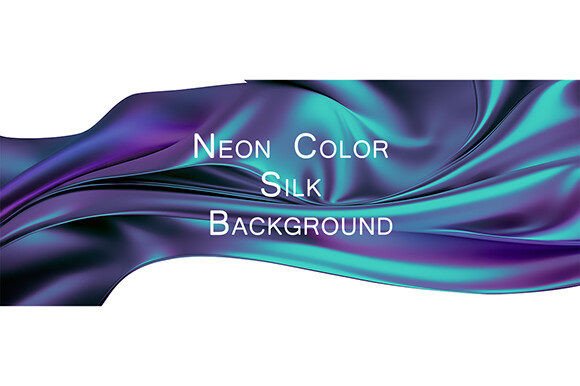
Neon Color Silk Background
In the rapidly evolving landscape of digital design, visual impact is paramount. Designers and content creators are constantly seeking ways to capture attention in a crowded online space. One such element that has gained significant traction is the Neon Color Silk Background. This aesthetic combines the fluid, organic movement of liquid silk with the electric vibrancy of neon lighting, creating a mesmerizing visual experience. Whether you are a seasoned graphic designer or a small business owner looking to elevate your brand identity, understanding the potential of this style can significantly enhance your creative output.
The specific asset often referenced in professional circles—high-resolution files like those at 5373x2100 pixels and 300 DPI—represents more than just a pretty picture. It is a versatile tool that bridges the gap between abstract art and functional design. By exploring the characteristics, applications, and practical considerations of Neon Color Silk Backgrounds, we can uncover how they serve as powerful assets for modern branding and digital storytelling.
Understanding the Aesthetic: Fluidity Meets Vibrancy
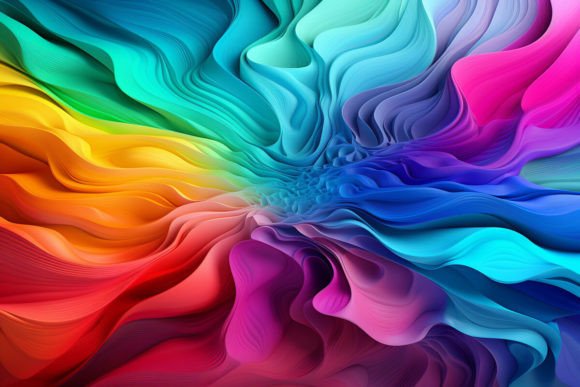
To appreciate the value of a Neon Color Silk Background, it is essential to first deconstruct its visual components. The term "silk" refers to the texture and flow. Unlike rigid geometric patterns or static gradients, silk implies movement, softness, and a tactile quality. When rendered digitally, this translates into smooth curves, gentle folds, and a sense of depth that mimics physical fabric caught in a breeze.
However, what sets this particular style apart is the color palette. Traditional silk imagery often relies on muted pastels or rich jewel tones. In contrast, the neon variant introduces high-saturation hues—electric blues, hot pinks, vivid purples, and lime greens—that seem to glow from within. This combination creates a dynamic tension between the softness of the form and the intensity of the color. The result is an image that feels both calming and energizing, a rare balance that makes it highly effective for holding viewer attention without causing visual fatigue.
When working with high-quality sources, such as a 300 DPI JPEG file, these nuances become even more apparent. High resolution ensures that the subtle transitions between light and shadow remain crisp, preserving the illusion of three-dimensional volume. For designers, this means the background can be used as a foundational layer without losing integrity when scaled or manipulated.
Why Resolution and Quality Matter
Not all backgrounds are created equal. The specification of 5373x2100 pixels at 300 DPI is not arbitrary; it dictates the flexibility and professional applicability of the asset. In the world of print and high-end digital display, pixel density is critical. A standard web image might suffice for a blog post thumbnail, but it will appear pixelated and blurry if printed on a poster or used as a backdrop for a large-format presentation.
A 300 DPI (dots per inch) file is considered the industry standard for high-quality printing. This ensures that when the Neon Color Silk Background is transferred from screen to paper, the edges remain sharp, and the colors retain their luminosity. For professionals creating packaging, business cards, or wall art, this level of detail is non-negotiable. It signals premium quality to the end consumer, reinforcing the perception that the product or service being presented is top-tier.
Furthermore, the aspect ratio of 5373x2100 suggests a wide format, ideal for panoramic displays, website headers, and social media covers. This horizontal expanse allows the "waves" of the silk to flow naturally across the frame, guiding the viewer’s eye from left to right—a natural reading pattern in many cultures. Understanding these technical specifications helps creators select the right assets for the right medium, avoiding costly mistakes in production.
Diverse Applications Across Industries
The versatility of the Neon Color Silk Background lies in its ability to adapt to various contexts. It is not limited to a single niche but rather serves as a flexible canvas for creativity. Below are several key areas where this design element shines:
- Social Media Branding: In the fast-scrolling environment of Instagram, TikTok, and LinkedIn, bold visuals stand out. A Neon Color Silk Background provides a striking header image or story backdrop that differentiates a brand from competitors using generic stock photos. The vibrant colors evoke energy and innovation, traits desirable for tech startups, fashion brands, and lifestyle influencers.
- Website Design: Modern web design favors immersive experiences. Using a wide-format silk background for hero sections can create a sense of depth and luxury. It works particularly well for creative agencies, event planning sites, or music festivals where atmosphere is key. The soft curves of the silk do not distract from text overlays, provided contrast is managed correctly.
- Print Collateral: As mentioned, the 300 DPI quality makes this asset perfect for tangible goods. Imagine a concert ticket, a premium notebook cover, or an invitation for a gala dinner. The glossy finish of printed silk textures complements the neon theme, creating a multi-sensory appeal that engages the recipient physically and visually.
- Packaging Design: For consumer products, especially in the beauty, cosmetics, or electronics sectors, packaging is the first point of contact. A Neon Color Silk Background can convey sophistication and modernity. It suggests that the product inside is cutting-edge and carefully crafted.
Real-World Scenarios
Consider a boutique skincare brand launching a new line of vitamin C serums. They might use a bright, citrus-toned neon silk wave as the background for their social media ads. The fluidity of the silk mirrors the liquid nature of the serum, while the bright yellow and orange neons subconsciously communicate freshness and vitality. Conversely, a tech company promoting a new software update might opt for deep blues and purples in their silk background, suggesting depth, security, and advanced technology.
Evaluating Suitability and Practical Considerations
While the Neon Color Silk Background is undeniably attractive, it is not a one-size-fits-all solution. Creators must evaluate whether this style aligns with their specific project goals. Here are some factors to consider before integrating this asset into your workflow.
- Brand Identity Alignment: Does your brand voice match the energy of neon? If your brand is minimalist, corporate, or serious, the vibrancy of neon silk might clash with your messaging. It is best suited for brands that want to appear youthful, dynamic, artistic, or luxurious.
- Readability and Contrast: Neon colors are intense. Placing white text directly over a bright pink wave can render the text illegible. Successful design requires careful consideration of typography and spacing. Using semi-transparent overlays or placing text in areas of the background that are darker or less saturated can maintain readability while preserving the aesthetic.
- Contextual Appropriateness: While great for entertainment, fashion, and tech, this style may be too informal for legal firms, healthcare providers, or financial institutions. Understanding the audience's expectations is crucial. A bank logo overlaid on a neon silk background might confuse customers about the stability and seriousness of the institution.
Additionally, file management is a practical concern. High-resolution JPEGs, while compressed, still consume significant storage space. Ensure your hosting platform or print vendor supports large file uploads. Also, remember that JPEG is a lossy format; while 300 DPI minimizes visible artifacts, repeated editing and saving can degrade quality. It is best practice to keep the original master file and work on copies.
Maximizing Creative Potential
To truly leverage the power of a Neon Color Silk Background, consider experimenting with layering and effects. Adding subtle grain or noise can give the digital image a more tactile, printed feel, which is trendy in contemporary design. Combining the silk waves with metallic accents—like gold foil text or silver borders—can elevate the look further, blending the futuristic neon vibe with classic elegance.
For digital users, animation offers another dimension. Although the source file is a static JPEG, the flowing nature of the silk lends itself well to subtle CSS animations, such as a slow pan or a gentle shimmer effect. This brings the background to life, increasing engagement time on websites and making static images feel dynamic.
Conclusion
The Neon Color Silk Background represents a convergence of artistic expression and technical precision. With its high-resolution specifications and unique visual appeal, it offers creators a robust tool for enhancing their projects. From social media graphics to high-quality print materials, its ability to command attention while maintaining aesthetic grace makes it a valuable addition to any designer’s toolkit.
By understanding its characteristics, respecting its technical requirements, and applying it thoughtfully to appropriate contexts, you can transform ordinary designs into extraordinary experiences. Whether you are building a brand from scratch or refreshing an existing identity, exploring the possibilities of neon-infused silk textures can lead to innovative and impactful results. Remember, the best design is not just about looking good; it is about communicating effectively. Let the fluidity and vibrancy of this background help tell your story with clarity and style.